

INDUSTRY FOCUS
Historical Restoration & Conservation
Overview
Preserving and restoring historic buildings, monuments, and cultural artefacts demands cleaning techniques that are precise, gentle, and leave nothing behind. Historic substrates — weathered limestone, fragile brick, hand-planed timber, historic bronze — are highly vulnerable to aggressive intervention. Sandblasting profiles and erodes fragile masonry finishes. Chemical washing alters substrate pH and leaves residues that accelerate decay. High-pressure water saturates porous stone and seasoned timber, triggering freeze-thaw cracking, wood rot, and biological growth.
Cryo Kinetic dry ice cleaning is waterless, chemical-free, and completely non-abrasive — uncovering original historic detail without altering or damaging the surface beneath.
Why Dry Ice Meets Conservation Standards
Conservation best practice is clear: cleaning must not alter the historic substrate or leave behind residues that accelerate deterioration. Most conventional methods fail this standard in one way or another.
Cryo Kinetic technology operates with zero surface abrasion. Microscopic evaluation at [X]× magnification confirms that cryogenic cleaning causes no surface erosion, pitting, or alteration of delicate historic finishes. No water means no freeze-thaw damage in porous stone. No chemicals means no toxic runoff into sensitive outdoor environments. What remains after treatment is the original substrate — nothing added, nothing removed except the contaminant.
APPLICATIONS
Dry ice cleaning works sensitively across the full range of historic materials and surfaces — here's how we approach each one:
-
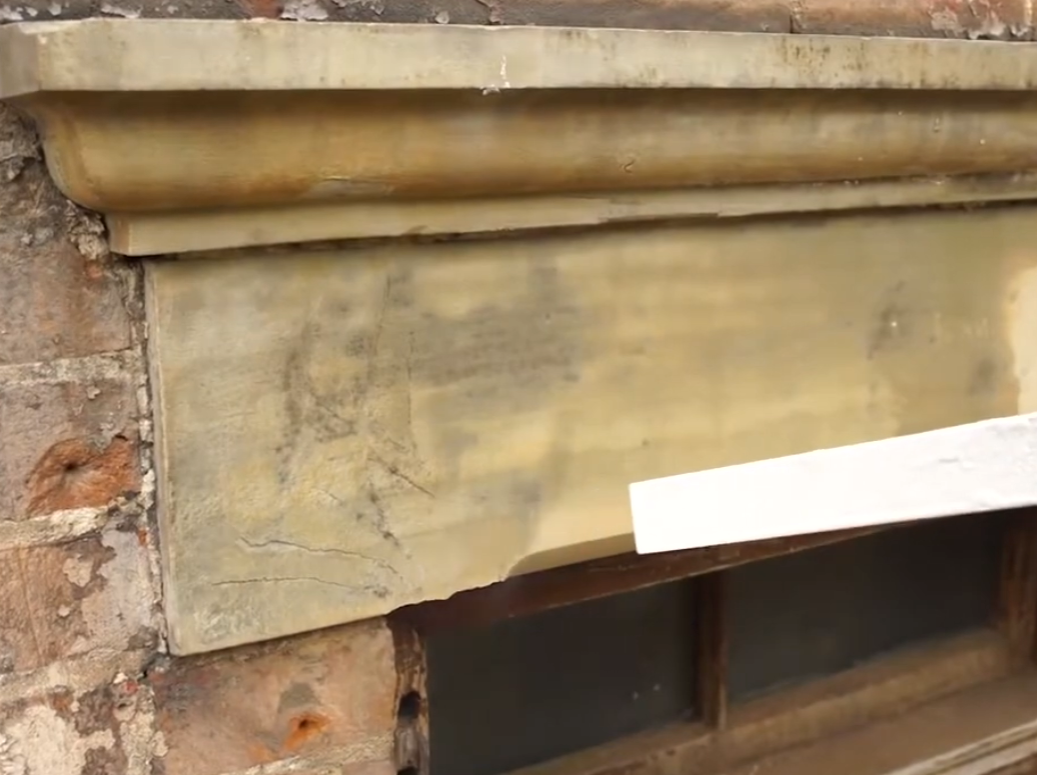
Biological growth, environmental soot, and algae crust onto limestone and brick facades over decades, obscuring original detail and accelerating stone decay. Soft dry ice pellets lift biological crusts gently without mechanical contact — restoring masonry surfaces with zero pitting, stone loss, or alteration of original finish.
-
Deteriorated lead paint and surface soot on heritage timbers require careful abatement that preserves the original substrate beneath. Pellet impact induces thermal shear on old lead paint layers, lifting them cleanly — safely abating lead while preserving original timber patinas that cannot be recreated.
-
Atmospheric corrosion and sulfur scale accumulate on bronze surfaces, obscuring fine detail and accelerating oxidation. Cryogenic shock fractures dense oxide crusts from the metal surface — cleaning intricate detail without stripping the original patina that gives historic bronzework its character and conservation value.
-
Heavy soot and charred surface layers on heritage timbers trap odour and obscure the original grain. Sublimating gas lifts smoke carbon from tight timber pores without introducing moisture — restoring joists and woodwork with zero water swelling or wood grain tearing.
-
Spray paint graffiti and biological crusts disfigure historic brickwork and are notoriously difficult to remove without etching the surface beneath. Kinetic energy lifts spray paint layers cleanly — restoring the original brick appearance without the surface damage that chemical strippers and abrasive methods leave behind.
-
Compounded paint layers, grease, and soot obscure the intricate pressed detail of heritage tin ceilings. A supersonic dry ice sweep strips old coatings in-situ — restoring fine tin detail without the risk of distortion or surface damage from manual hand grinding.
-
Heavy grease, dust films, and old preservative residues accumulate on antique engines, vehicles, and mechanical exhibits, obscuring original surfaces and accelerating corrosion. Non-abrasive dry ice gas cleans intricate components without disassembly — restoring museum exhibits to display condition while keeping delicate mechanisms intact.
Preserving & Protecting History
Cryo Kinetic systems compress restoration timelines significantly, converting projects that would require weeks of manual scraping into days of work. A [X] m² historic tin ceiling restoration estimated at a full year of hand grinding was completed in just 100 hours using cryogenic blasting — a result that speaks directly to the economics of heritage conservation projects operating under tight budgets and heritage listing constraints.
Because dry ice sublimates entirely, there is no secondary media to collect and no contaminated water to contain or treat. This eliminates thousands of dollars in hazardous waste disposal costs — including lead paint containment and media disposal — that manual abatement methods routinely generate.
The in-place cleaning capability removes the need to disassemble and transport delicate public sculptures, architectural elements, or structural components. Conservation work is carried out on-site, protecting fragile historic material from the structural risk that handling and transit introduce.