

INDUSTRY FOCUS
Dry Ice Cleaning in Building Restoration (Soot & Mould)
Overview
Fire and mould remediation is unforgiving work. Structural timbers hold toxic soot, char, embedded mould spores, and vaporised synthetic resins — contaminants that conventional methods struggle to remove without causing further damage. Manual scraping and wire brushing abrade structural timber. High-pressure water washing drives moisture deep into porous substrates, triggering secondary mould growth and compromising wood integrity.
Cryo Kinetic dry ice blast cleaning eliminates these trade-offs. Our process is moisture-free, non-abrasive, and leaves zero secondary waste — delivering complete decontamination without further damaging what you're trying to restore.
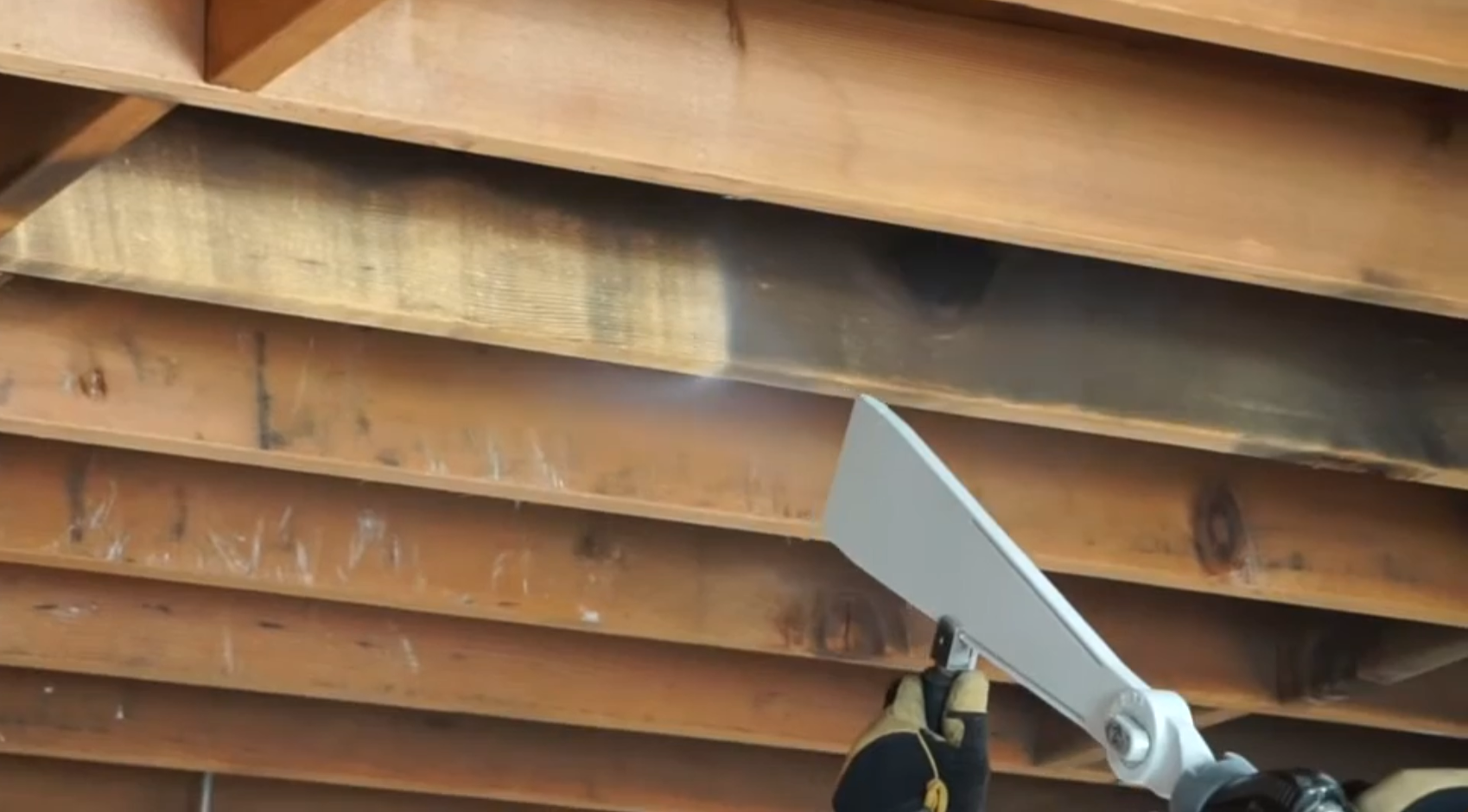
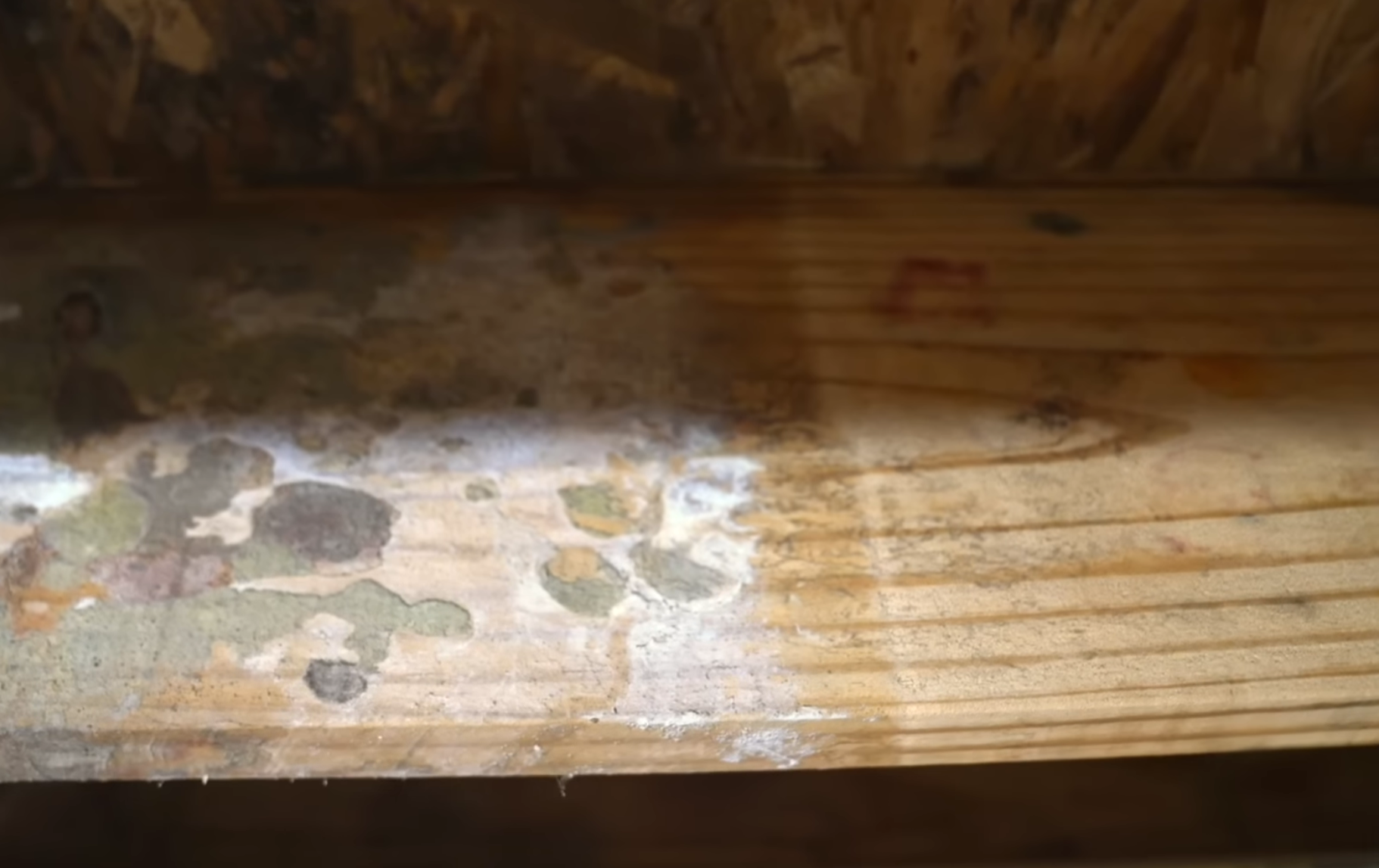
Why Dry Ice Outperforms Traditional Methods
Conventional alternatives each carry serious drawbacks:
High-pressure water blasting forces moisture into wood grain, stone, and brick — creating ideal conditions for decay and fungal regrowth.
Soda or sandblasting generates heavy dust plumes and leaves abrasive residue behind in wall cavities, electrical conduits, and HVAC ductwork, adding significant post-clean labour.
Cryo Kinetic dry ice pellets sublimate on impact — transitioning directly from solid to gas with no residue and no moisture. The rapid thermal shock embrittles mould hyphae and charred resins, and the kinetic force of the expanding gas lifts contaminants out of microscopic crevices and tight-grain wood fibres that manual scraping simply cannot reach.
APPLICATIONS
-
Mould spores and fungal hyphae penetrate deep into wood grain where manual scraping can't follow. Cryogenic thermal shock fractures spores on contact, and the expanding gas lifts them out of the substrate — achieving thorough mould removal without abrading or weakening the timber.
-
Char and carbonised soot from fire damage compromise both the appearance and load-bearing integrity of framing members. Supersonic dry ice pellets fracture carbonised layers and clear them completely, restoring joists and framing to their pre-disaster structural condition.
-
Vaporised synthetic resins and smoke soot bond tightly to porous stone and brick surfaces. Dry ice impact induces thermal tension that shears contaminant bonds — cleaning masonry thoroughly without etching surfaces or degrading mortar joints.
-
Older materials demand a gentler touch. Low-density pellets sublimate on contact, removing fungal growth and surface staining without the mechanical force that would damage century-old wood grain or erase original carpenter marks.
-
Smoke odour isn't a surface problem — carbon molecules embed deep within timber pores. The volumetric gas expansion of sublimating dry ice lifts these molecules out permanently, eliminating odours at the source without encapsulation sealants.
-
Mould, soot, and particulate debris accumulate inside ductwork and re-circulate through the building if not fully removed. Our dry process clears interior surfaces without introducing moisture that causes corrosion or residual media that clogs coils — restoring safe indoor air quality throughout the system.
-
Fire soot and carbon dust in electrical conduits create ongoing risk. Dry ice is non-conductive, so it safely cleans intricate wiring pathways without the risk of water-induced short circuits or corrosion — decontaminating utility paths quickly and completely.
Operational Benefits
Dry ice cleaning dramatically compresses project timelines and labour requirements.
For example, an attic mould remediation that would require a large crew working for many days with hand-sanding can be completed in just a couple of days by a smaller Cryo Kinetic crew — a significant reduction in project time. That labour compression translates directly into cost savings and faster site handover.
Because dry ice sublimates completely, there is no blast media to contain, bag, or haul away. No secondary waste. No contaminated materials disposal. And because carbonised odours are permanently extracted — not sealed over — structural elements can remain in their natural state, eliminating the cost of encapsulation sealants entirely.